
Start with a version of the character
Pick a particular comic, film or personal interpretation before collecting pieces. Mixing versions is fine when it is deliberate. Save a small set of reference images for your own planning so the colors and shapes stay consistent.
For a casual Spider-Man-inspired look, use the red-and-blue palette with an everyday layer you already own. For a Loki-inspired outfit, green and gold can carry the idea without a large helmet. A Captain Marvel-inspired jacket look can be easier to sit in than a full armored build. These are styling suggestions, not official costume specifications.
Choose the feature you want people to notice first. Spend your time there, then keep the rest manageable. You do not need a workshop to join in.
Choose a build that fits your day
A photo session, a seated panel and several hours on an exhibition floor place different demands on the same costume.
- Everyday interpretation: familiar clothes with the character's colors and a small approved accessory.
- Recognizable costume: a coordinated outfit with one more detailed focal point.
- Larger build: armor or substantial accessories that need transport, storage and help getting dressed.
Test visibility and movement before adding more pieces. A mask that looks good on a shelf still needs to let you see where you are going. Keep your badge accessible and decide where your phone, keys and essentials will go.
Read the actual convention rules
San Diego Comic-Con's costume and prop policies require daily prop inspection and prohibit functional or sharp-edged props. Approval rests with its safety staff. Other conventions set their own rules, so check the organizer for your specific event before making or packing anything.
A toy label or a previous convention's approval does not establish that an item will be accepted this time. If a costume depends on a prop, develop a version that still works without it and plan where an unapproved item can be left off-site.
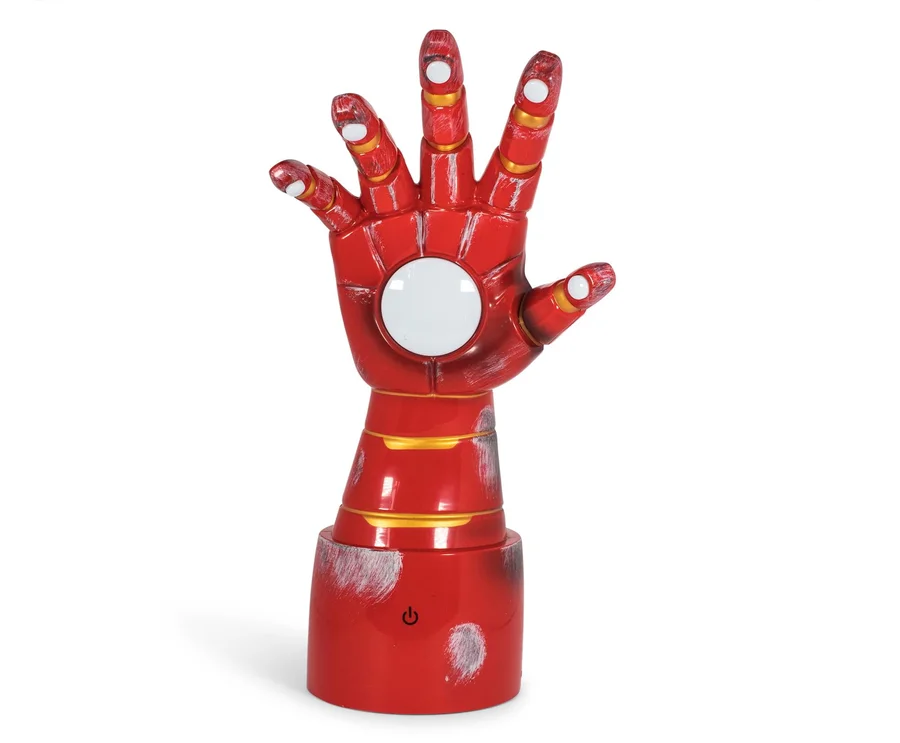
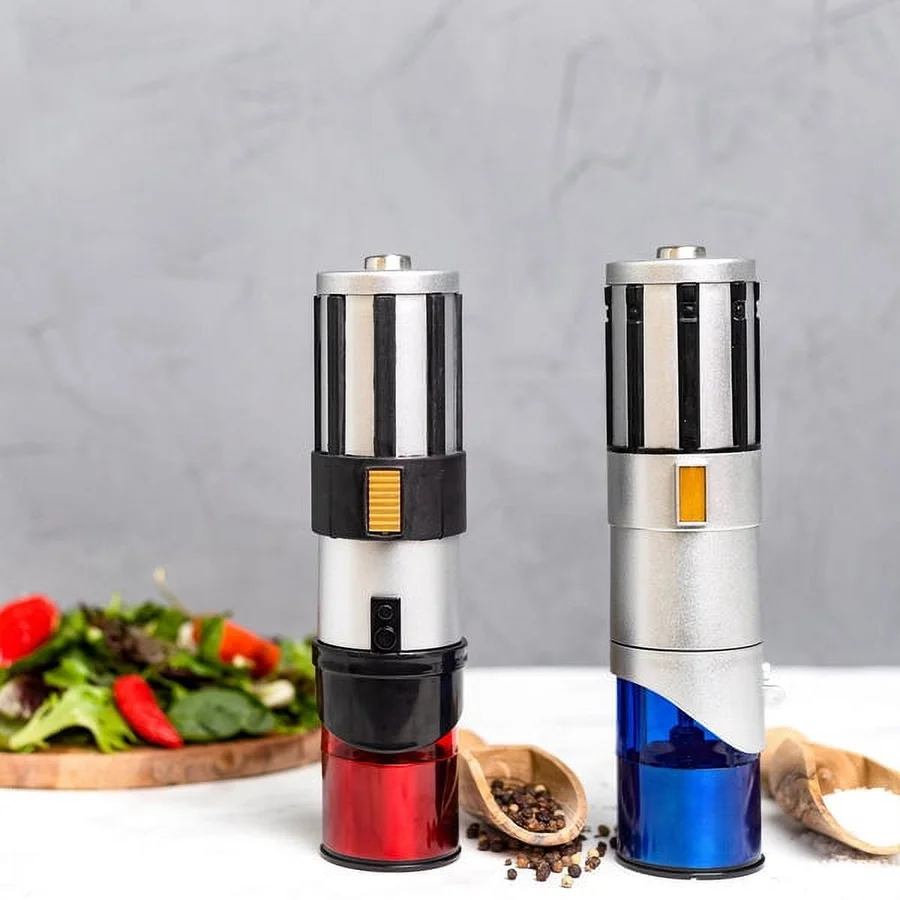
Our Marvel collectible comparison is useful for display ideas. Its products are not certified convention props.
Do a rehearsal before packing
Wear the full outfit at home, including the shoes. Sit down, reach for your bag and practice removing any piece you will need to take off for a break. Check whether straps slip or seams pull when you move.
Photograph it from the front, side and back. This is a quick way to spot an unfinished attachment or an accessory that obscures the detail you wanted to show. Pack repair materials that are permitted by the venue and appropriate for the costume.
Leave yourself time to change plans. Comfortable footwear and a usable pocket are small achievements until you have neither.
Make photographs easy for everyone
Ask before photographing another attendee and before touching any part of their costume. Move away from doors and busy walkways for a posed picture, then let the group move on.
For your own pictures, choose a simple background and decide on a pose that does not require swinging a prop. If a friend is taking the photo, explain which detail you want in the frame. One clear request is more useful than a long list of corrections after the shutter.
Create a small materials plan
Start with pieces you can obtain and finish before the event. List the clothing, fastening materials, paint or decorative items, and any tools required. Mark which parts you already own and which must arrive by a particular date. A quick sketch can show whether the chosen colors and silhouette still read as the character when accessories are removed. It also exposes pieces that add cost without improving the result. If you are buying a finished costume, check the actual measurements and fabric information instead of assuming a label will fit. Leave time for a return or alteration. Keep receipts for materials you have not opened.
Make comfort part of the design
A convention outfit has to survive queues, stairs, crowded rooms and changing temperatures. Choose footwear for the walking you expect to do, then see how it looks with the rest of the outfit. A large cape, rigid armor or heavy headpiece can make a short photo session enjoyable while making a full day difficult. Decide whether you can remove it without dismantling the costume. If a mask restricts sight or breathing, treat that as a reason to change the design. Try the whole outfit for longer than a mirror check. Drink water and plan breaks according to the venue and your needs.
Give every accessory a job
Accessories can help identify a character, but every extra item needs to be carried, stored and checked against the organizer's rules. Pick one visual detail that matters most. For a small handmade symbol, consider a sewn patch or lightweight decoration rather than a bulky prop. Check how it attaches when you sit and move. Keep sharp tools and unfinished construction materials out of your convention bag. If you are attending with a group, coordinate how each person will carry their own essentials. A shared plan is especially useful when photographs or entry checks separate the group for a few minutes.
Budget time for finishing
Work backward from the day you need to travel. Put a deadline on the main outfit, then reserve separate time for a full fitting and repairs. Gluing or painting the night before leaves little chance to fix an unexpected problem and may leave pieces unusable. If time runs out, reduce the number of details rather than relying on an unfinished part. A clean, comfortable interpretation can communicate the character more clearly than a complicated build that cannot be worn as planned. Photograph the finished outfit with its travel bag so you can see what is missing before leaving home.
Plan transport and storage
Measure any large piece against the vehicle, public transport and venue bag limits you will actually use. Pack fragile details so they cannot be crushed by shoes or heavier equipment. Keep the parts needed at entry near the top of the bag. If you intend to change on site, confirm that the venue has an appropriate space and learn what you can bring inside. Do not assume a cloakroom or storage area will be available. Choose a backup version that fits in one manageable bag if the original build becomes impractical. This can save the event even when an accessory stays at home.
Respect other attendees and staff
Conventions are shared spaces. Ask for a photograph instead of interrupting someone who is eating, working or heading into a session. Accept a refusal without pressing for an explanation. Keep elaborate poses and group shots out of doorways, queues and accessible routes. Staff may need to inspect a prop or ask you to remove an item under the event's policy. Give yourself enough time to handle that process calmly. If you make your own costume, credit any patterns or collaborators when sharing construction details. The best interaction leaves both people free to enjoy the event.
Keep a simple event-day checklist
The night before, confirm your ticket, event address and opening time through the organizer. Pack the outfit, approved essentials, a charged phone, payment method and any accessibility or personal items you need. Review the latest prop and bag rules because an old screenshot may be outdated. Check the weather for the journey, not only for the indoor venue. On arrival, make small adjustments before getting into a long queue. After the event, note which parts worked and which caused discomfort. Those observations will help with the next costume far more than an additional impulse purchase.
This article draws on the linked primary sources and practical explanations. It does not report hands-on testing or a personalized assessment.