Choose a specific deliverable
Decide who the work serves and what they receive. A property overview, a construction-progress record and an edited promotional video require different preparation and skills.
Write a sample brief with the location, intended use, required views, file format and delivery date. Clarify whether ground-level photographs or editing are included. Avoid promising a technical inspection or survey unless you have the qualifications and process that work requires.
Build a portfolio from flights you are permitted to conduct and images you have permission to publish. Label practice work honestly rather than implying a client commissioned it.
Establish the operating requirements first
For US work, begin with the FAA's commercial-operator guidance. It explains the Part 107 route for qualifying small-drone operations, including pilot certification and registration. Airspace permissions and the conditions of the actual operation still need checking.
Permission from a property owner does not replace airspace authorization. Likewise, holding a remote pilot certificate does not make every proposed flight permissible. Check the current requirements for the location, aircraft and planned operation before accepting the job.
Our drone basics article provides an introduction, while the FAA remains the source for current US requirements. Other countries have their own authorities and rules.
Count the work outside the flight
Include travel, site assessment, client communication, weather monitoring, editing and file delivery in your estimate. A short flight can still require a substantial amount of work.
The SBA's business-planning resources include startup-cost and break-even planning. Record recurring expenses such as software, storage and insurance alongside equipment purchases.
- Estimate the time for a complete representative assignment.
- List direct expenses and an allowance for equipment upkeep.
- Decide how rescheduling and extra edits will be handled.
- Compare the resulting price with actual customer demand.
Revenue is not profit. Do not treat a competitor's advertised rate as evidence of what you will earn.
Agree on weather and delivery before booking
Put the scope, usage rights, delivery format and revision allowance in writing. Include a clear process for postponing or canceling when conditions or permissions make the flight unsuitable.
Do not let a promised deadline force a flight decision. Explain what ground-based alternatives, if any, the client can choose. Check insurance and contractual requirements for the assignment with the relevant provider or adviser.
Our camera-drone comparison helps compare equipment after the service requirements are clear.
Evaluate a small number of jobs before expanding
Track actual hours, expenses, revisions and delivery problems. Ask whether the finished files answered the client's brief and what was missing.
Use those records to refine your service and pricing. Buy additional equipment only when a repeated, worthwhile requirement justifies it. A reliable workflow and a clear agreement are more useful starting assets than an unsupported promise of easy income.
Confirm the US operating route before selling a shoot
A paid assignment is not a recreational flight simply because the drone is small or the actual time in the air is short. The FAA's getting-started guidance directs operators flying for a purpose other than recreation toward Part 107. Under the FAA's current small-UAS rules, the person operating the controls needs a Remote Pilot Certificate with a small-UAS rating or direct supervision by a certificated pilot. Keep certification and recurrent training current before promising a date to a client.
Register the aircraft as required for the operation, check its Remote ID status, and keep the exact aircraft and controller details in your job file. Registration, pilot certification and Remote ID answer different questions; satisfying one does not replace the others. If you are working outside the United States, use the aviation authority for the place of flight instead of carrying US rules across borders.
Assess the actual airspace and site
A client may own a building but not control the airspace over it. Check the proposed location, temporary restrictions, nearby airports and the authorization needed for the airspace. The FAA's LAANC information explains one route to request access to controlled airspace where available. An application or a client's permission is not the same as an approval; wait for the required authorization before flying.
Walk the site before the job if possible. Identify a safe takeoff area, obstacles, people, vehicles and a clear place to land. Plan for visual line of sight and a route that can be stopped safely if conditions change. The FAA's Part 107 overview describes core operating rules. Do not turn a client brief into a flight plan until you know the proposed shots can be captured under the conditions that apply that day.
Choose gear for the deliverable, not the advert
List the files the client needs before comparing camera specifications. A still-image brief may need consistent exposure, usable resolution and an efficient editing workflow. A moving-video brief adds stabilization, repeatable camera movement and sound or ground footage planning. Check whether the aircraft can carry out the proposed job while complying with the applicable operating rules.
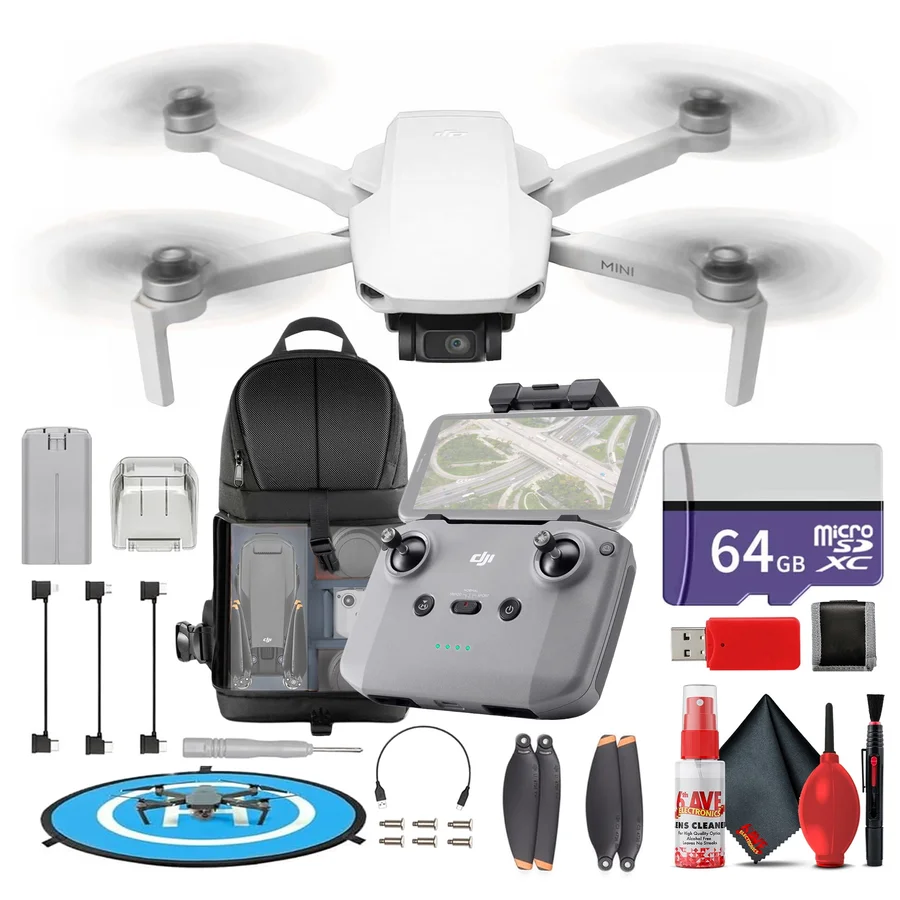
Budget for batteries, storage media, protective transport and replacement parts as well as the drone. A headline flight-time claim does not tell you how long you can spend composing shots after travel to the location and a prudent return reserve. Use a realistic shot list and test your workflow on permitted practice flights. Keep a second delivery plan for weather, battery or equipment failure rather than promising a fixed aerial result regardless of conditions.
Put rights, privacy and rescheduling in the brief
Agree on where the work may be filmed, who will receive the files, how long they will be retained, and the uses the client is purchasing. Ask about people who may be identifiable in the footage and any site-specific privacy requirements. A flight can be lawful under aviation rules while raising separate property, privacy or contractual issues; resolve those with relevant local advice rather than treating a drone certificate as a blanket permission.
Specify the delivered file formats, approximate number of finished images or clips, editing scope, revision allowance and how weather delays will be handled. If the location, use or delivery date changes, revisit the flight assessment and price. Clear boundaries protect both parties and make a modest first assignment easier to deliver well.
Estimate the full cost of a sample job
Make a worksheet for one realistic assignment: inquiry and planning, travel, site setup, permitted flight time, selection, editing, upload and client revisions. Add direct expenses and a share of recurring costs such as insurance, software and equipment replacement. Divide the resulting total by the hours you expect to spend, then compare that figure with the income you need and the demand you can actually find.
For example, a one-hour flight may be part of six hours of work once travel, planning and editing are counted. That is an illustration, not a universal benchmark. Record the actual hours after each job. If the work takes longer than expected, change the process or quote before accepting a similar brief. The SBA's planning resources can help structure startup and break-even calculations.
Deliver a small portfolio honestly
Choose a narrow first service you can perform repeatedly and legally, such as a set of property-overview stills or a short promotional sequence. Produce a sample from a permitted flight and label it as practice work if nobody commissioned it. Show the finished files and explain what was included rather than advertising “easy money” or guaranteed results.
After a few real jobs, compare the planned brief with what you delivered. Note whether the client needed different angles, editing, formats or turnaround. Use those records to improve your next quote. Expansion should follow evidence of a useful service and reliable demand; a more expensive drone on its own does not create a business.
This article draws on the linked primary sources and practical explanations. It does not report hands-on testing or a personalized assessment.