Ask how and where they camp
Find out whether they drive to an established site, walk with their equipment or use a camper. Ask about season, trip length and available facilities. The same chair or lantern can be useful in one setting and awkward in another.
The National Park Service's camping equipment guide separates practical needs and reminds readers to plan for the actual trip. Use the destination's own information for facilities and restrictions.
Ask what item they already wish to replace. That often produces a more useful gift than an unfamiliar device that duplicates something in their kit.
Choose a manageable addition
- Organizational pouch: check dimensions and whether it needs to fit an existing bag.
- Lighting accessory: match the intended task, charging method and mounting arrangement.
- A familiar consumable: choose the exact type the recipient already uses.
- Repair supplies: follow the equipment maker's recommendations and the recipient's skills.
- Comfort item for a vehicle-based trip: confirm storage space before choosing something bulky.
Keep specialist equipment on a wishlist unless you know the required specification. Fit and compatibility can matter more than a headline feature.
Check lighting and charging realistically
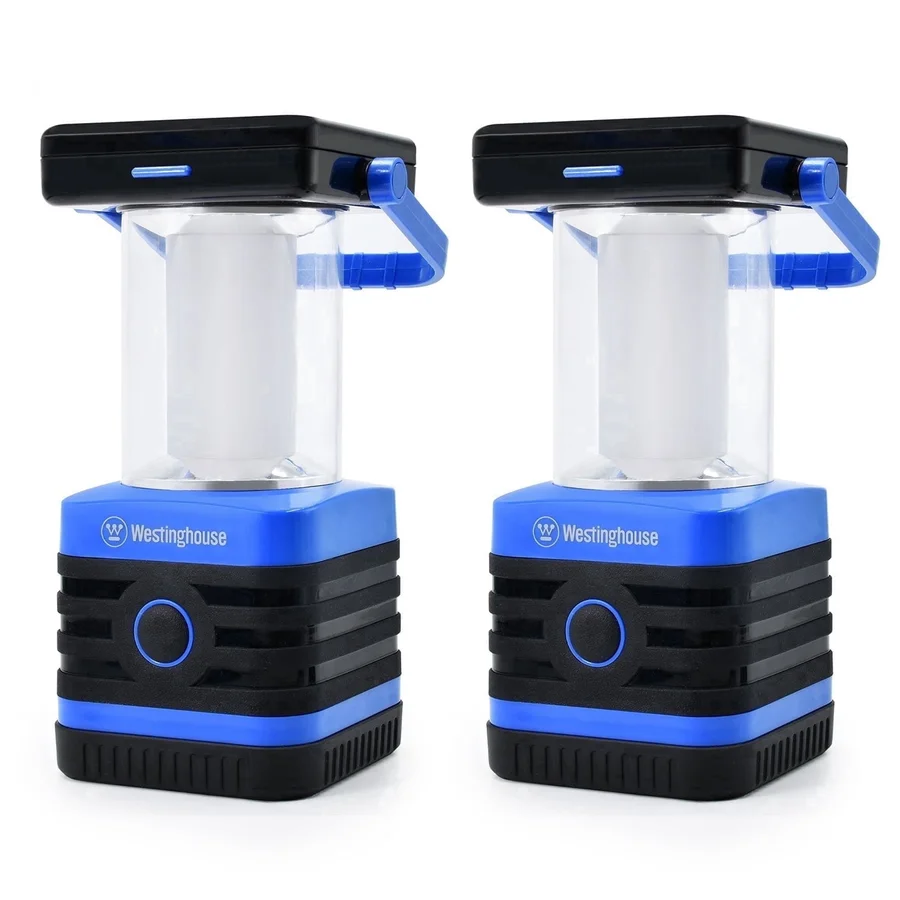
For a light, compare usable modes, charging connections and the stated operating conditions. Ask how it will be carried and protected from the weather. Our solar lantern comparison helps assess the featured options.
Solar charging depends on conditions and should not be treated as a guaranteed overnight recovery of a battery. Confirm an alternative charging method if the trip needs it.
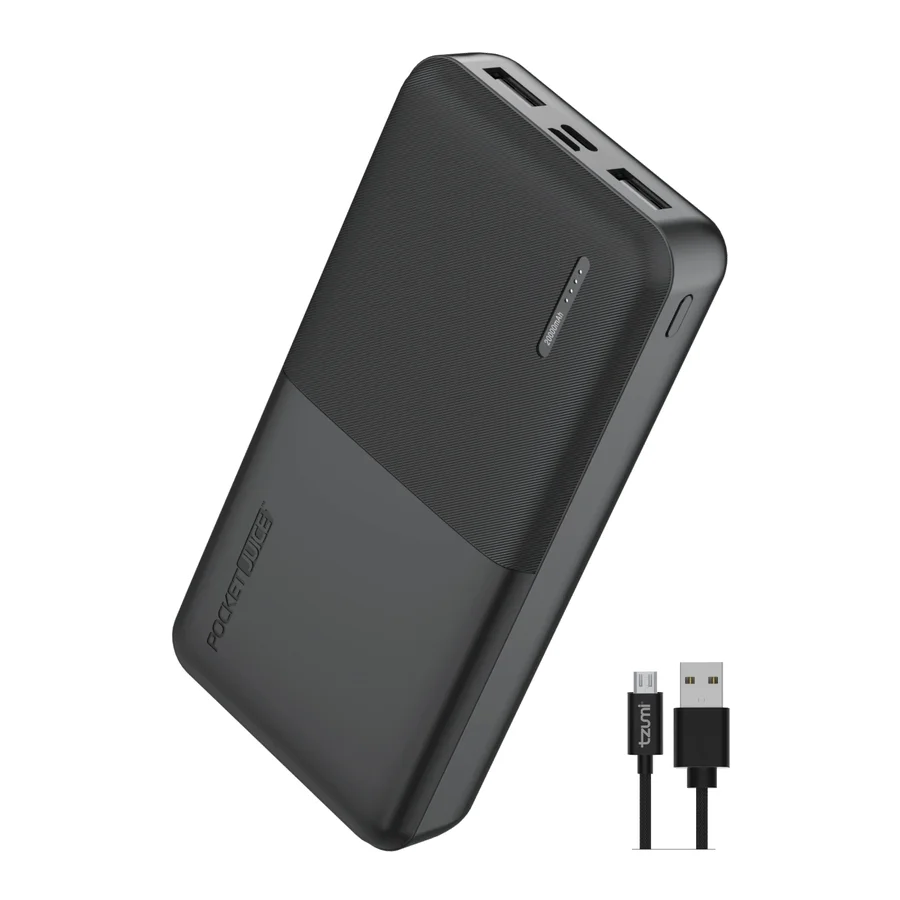
A portable power bank can be useful when the recipient has a matching device and cable. Check transport rules separately for any trip involving a flight.
Do not replace essential planning with a gift
A new gadget does not establish that someone is prepared for a route or weather conditions. The NPS Ten Essentials guidance is a useful planning reference for outdoor travel.
Avoid choosing technical safety equipment merely because it looks impressive. Let the person select items whose fit, operation or performance they need to assess themselves.
Offer to contribute toward a specific requested item when the choice is specialized. Include a receipt and keep packaging until they have checked it.
Leave time to try it before departure
Give the item early enough for charging, setup and a practice use. Include the manual and all supplied parts. Do not discard adapters or straps because their purpose is not obvious.
Ask whether it fits the planned kit before personalizing it. A gift that can be exchanged for the right version is more useful than one that must be carried out of politeness.
Find out what kind of trip they take
A car camper, backpacker and camper-van traveler carry very different amounts of gear. Ask about the destination, season, trip length and what they already own. The National Park Service’s trip-planning advice starts with the group’s experience and the setting. A heavy lantern may be welcome at a drive-up site but a burden on a long trail. A tiny ultralight tool can be poor value for someone who wants a comfortable campsite. Start with a real upcoming trip, then identify a missing or worn item instead of buying a generic camping novelty.
Choose essentials with the recipient
Shelter, illumination, navigation, water and first aid are more important than decorative gadgets, but they are also personal and safety-related purchases. The NPS Ten Essentials is a planning framework, not a universal gift list. Ask for a specific model or let the camper choose when fit, weight and reliability matter. A gift contribution toward a requested sleeping pad or pack can be more useful than surprising them with an incompatible substitute. Check whether they already carry the item and whether the new one improves an actual problem.
Test the lighting and power plan
A headlamp, area light or charging bank should match the intended job. Compare usable light modes, battery type, run-time conditions and how the device is charged away from home. Check weather protection and whether replacement batteries or cables are available. The NPS packing guide reminds campers to bring equipment suited to the trip. A light that works only with a proprietary cable can be awkward if the recipient uses another power system. Ask whether a hands-free light or a shared tent light would solve the greater need.
Consider space and weight honestly
For backpacking, every added item competes with food, water and shelter for weight and volume. Ask how the recipient packs and whether a new accessory replaces something or merely adds to the load. For car camping, storage size still matters when a family has several people and a small trunk. Measure a pouch, chair or kitchen set against the available space. If the gift requires a specific attachment point, stove fuel or tent pole, confirm the model before buying. A compact item is valuable only if it performs well enough for the conditions.
Avoid safety surprises
Do not gift fuel, heaters, stoves or electrical equipment on appearance alone. Check the maker’s use instructions, fuel compatibility and the campsite’s rules. A carbon-monoxide risk cannot be solved by assuming a tent has enough ventilation for a device intended for outdoor use only. For remote trips, test gear before departure and keep established essentials even when adding a new gadget. The NPS trip guide recommends practicing with equipment in advance. A gift that needs training or a special consumable should come with time to learn it.
Check delivery, returns and warranty
Choose a retailer with a clear return path so the camper can exchange an item that does not fit their kit. The FTC’s shopping guidance recommends checking delivery and refund terms and keeping records. Save the order details and the exact model, especially for items with different sizes or regional versions. If the trip is soon, avoid promising that a delivery estimate is guaranteed. A small local gift or a contribution toward a later chosen item is better than equipment arriving after the departure date.
Make the gift easy to use
Include the receipt, relevant accessories and a short note explaining why the item suits the next trip. If it needs charging, charge it and then follow the maker’s storage instructions before wrapping. If the recipient prefers to choose gear personally, offer a day to visit an outdoor shop together or help plan a route. The best camping gift supports a real activity without creating another piece of gear to store, maintain or carry. Ask what would make their next trip more comfortable or safer, then let that answer guide the purchase.
Try a shared experience instead
Some campers would rather choose their own equipment. Offer to book a suitable campsite, help organize transport or join them for a low-pressure day outdoors. Confirm the dates, location and accessibility before paying for a reservation. A guided lesson can be useful when someone is learning a new skill, but check the provider and what equipment they must bring. Give the person enough flexibility to decline or reschedule without feeling obligated. The present can be a practical step toward the trip they actually want, rather than another object competing for space in the gear cupboard.
This article draws on the linked primary sources and practical explanations. It does not report hands-on testing or a personalized assessment.