
Sort by frequency and effort
List the appliances you use daily, weekly and rarely. Include the effort of taking each one out and putting it away. A heavy machine that you use often may deserve an accessible position even if a smaller item would look tidier there.
Put rarely used equipment in storage you can reach safely and check shelf capacity before loading it. Keep detachable parts together in a labeled container so using the appliance does not begin with a search.
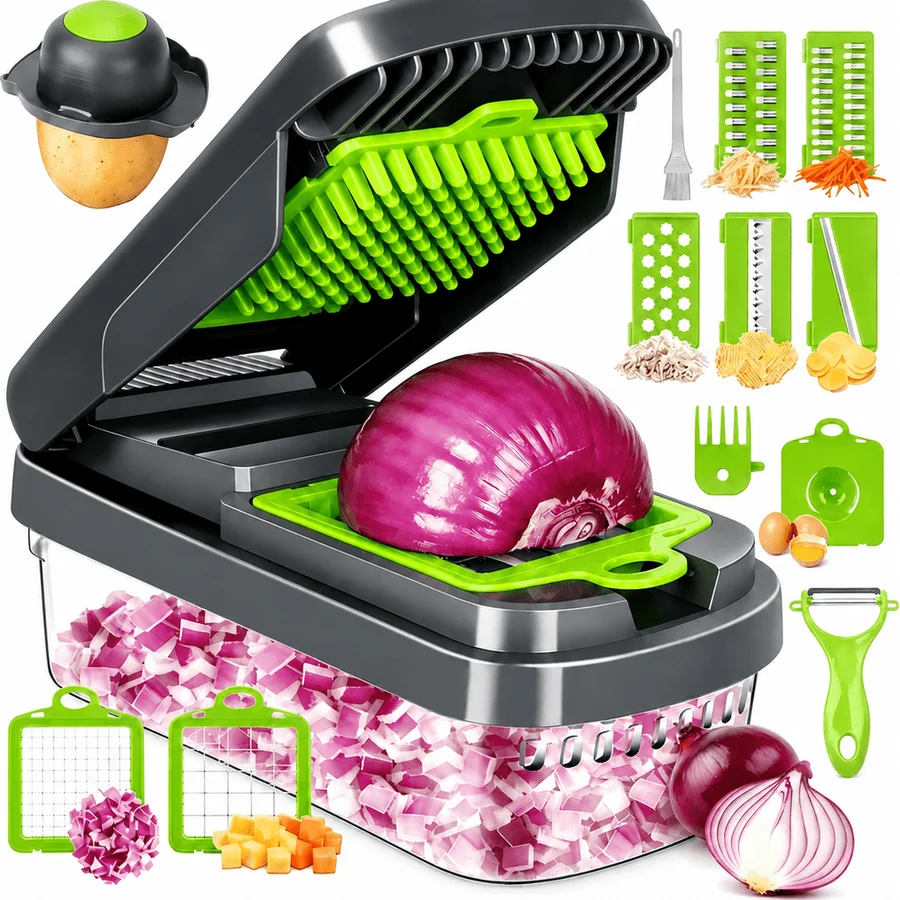
Review duplicate functions before buying another device. Our kitchen gadget guide is most useful once you know which task is genuinely missing from your setup.
Create a small preparation zone
Keep an uninterrupted area for a cutting board, ingredients and a bowl. Check that opening a drawer or appliance door does not take away the only usable work surface.
Place tools near the task they serve, but leave enough room to handle food and containers. Try making a familiar meal before deciding that the layout is finished.
Notice repeated backtracking. Moving a storage container or a frequently used attachment can improve the workflow without adding shelves or buying organizers.
Separate operating space from storage space
An appliance fitting inside a cabinet does not mean it can operate there. Read its ventilation, heat and steam clearances and its requirements for the supporting surface.
Move equipment to the approved operating position before use. Let it cool and clean it as directed before returning it to storage. Do not block vents with baskets or tuck a hot appliance underneath an overhang simply to preserve counter space.
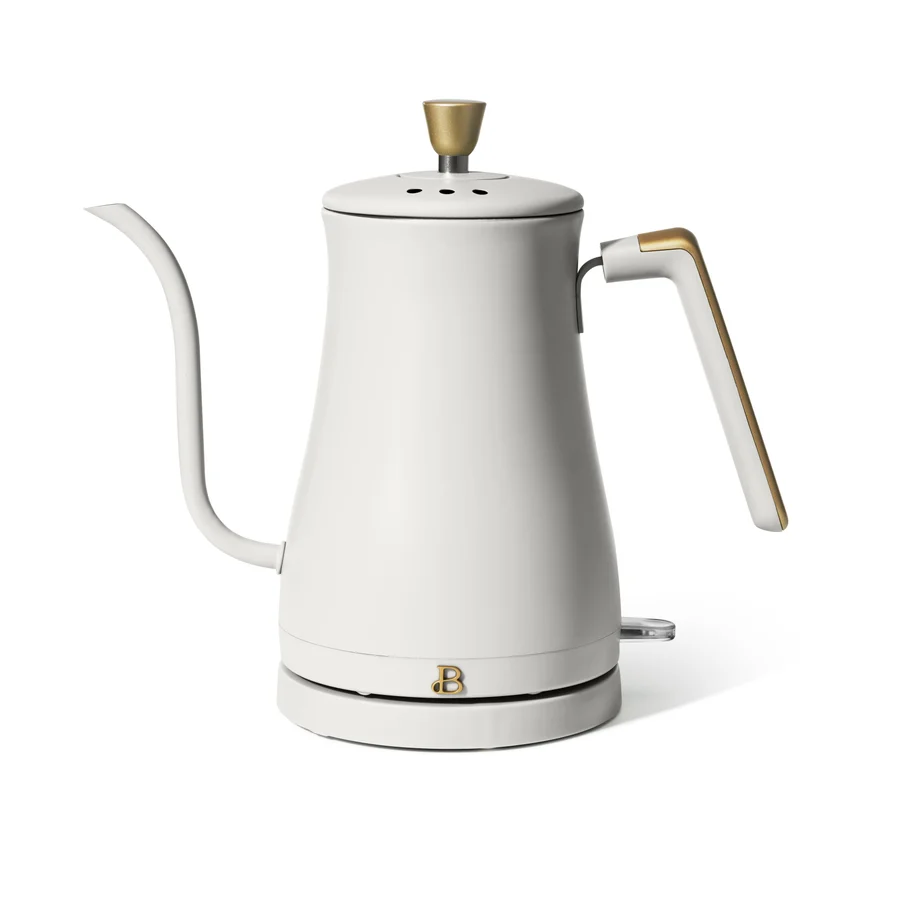
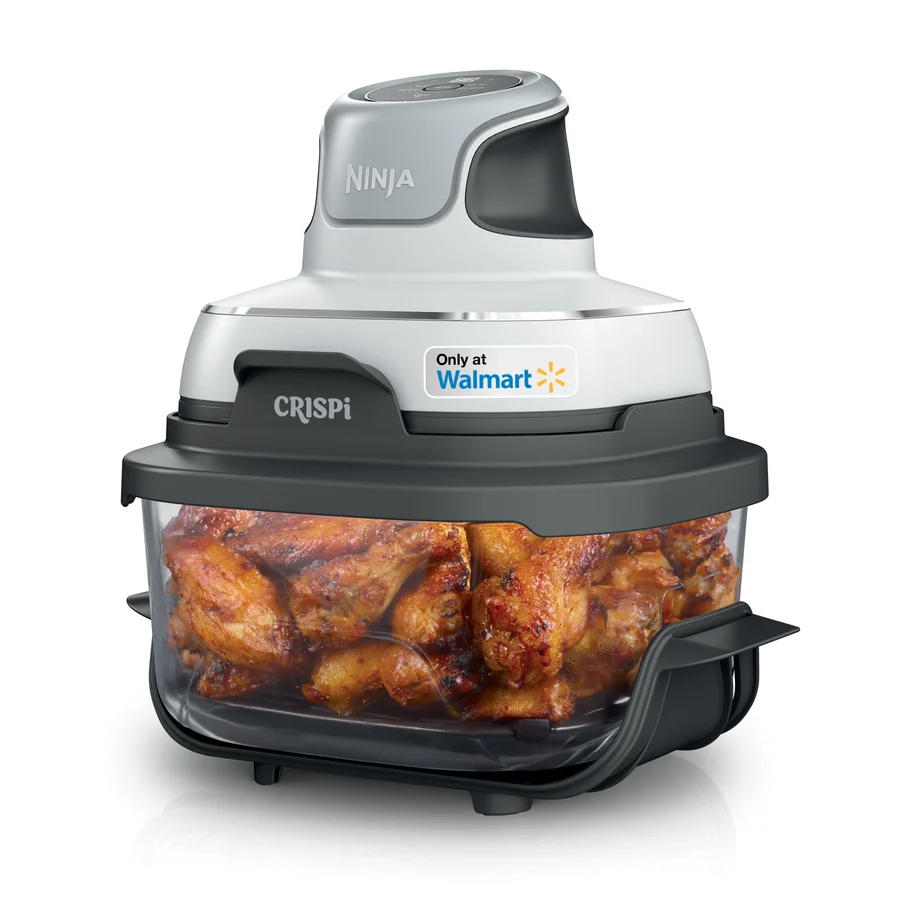
For an air fryer or kettle, check where hot air or steam exits. The air fryer comparison and kettle guide can help compare forms, but the exact manual determines the required clearance.
Plan around safe power access
Keep cords away from water, hot surfaces and places where they can be caught or pulled. Follow each appliance's electrical instructions rather than arranging devices first and solving the resulting cord problem afterward.
The Electrical Safety Foundation's extension-cord guidance explains that extension cords are temporary solutions and gives load and condition checks. Do not treat a chain of extension products as a permanent kitchen layout.
If the intended arrangement needs additional outlets or you are unsure about the circuit, consult a qualified electrician. Moving several high-power appliances together does not increase the circuit's capacity.
Review the arrangement after a week
Check which items remained untouched and which were constantly moved. Adjust one zone at a time so you can tell whether the change helps.
Keep cleaning supplies and care instructions accessible, and leave space to wipe around equipment. A layout that looks orderly but makes cleaning difficult will require more effort to maintain.
Use the available space for the tasks you do most often. Matching containers and new organizers can wait until the working arrangement is settled.
Measure the space before moving things
Make a simple inventory of every appliance and its accessories. Record its width, depth, height and weight, including the space needed to open a lid, remove a bowl or reach a control. Measure shelves and countertops rather than guessing from a product photo. A mixer used weekly may deserve an accessible place even if it is large; a gadget used once a year can live farther away. Keep the instructions and attachments together. Do not stack heavy equipment on a high shelf that requires an awkward lift. The best layout reduces repeated handling while preserving a clear, usable preparation surface.
Separate storage from operation
An appliance may fit neatly in a cupboard but need more ventilation or steam clearance when running. Read the manufacturer’s instructions for the exact model and move it to an approved operating surface before use. Keep hot exhaust away from cabinets, curtains and hands. Allow the machine to cool and dry before storing it. An air fryer, kettle and toaster can have different clearance requirements even if they occupy similar shelf space. Mark a suitable counter location for each often-used device. This prevents a tidy storage solution from becoming an unsafe operating habit.
Give outlets a deliberate plan
Map the available outlets and the appliances that normally use them. The NFPA’s home electrical guidance advises using only one heat-producing appliance at a receptacle outlet at a time. The Electrical Safety Foundation says extension cords are temporary and should not substitute for permanent wiring. Do not daisy-chain power strips or hide a hot cord behind containers. If the layout requires many adapters to function, consider having suitable outlets installed by a qualified electrician instead of treating cable management as the whole solution.
Keep a practical preparation zone
Reserve enough clear counter area for a cutting board, ingredients and a place to set a hot or wet item safely. Put a frequently used appliance near the task it supports, but do not let it block a drawer or sink. Try preparing a familiar meal and notice where you repeatedly walk, turn or search for a part. Move one item and test again before buying a new organizer. A shelf riser can save space only if it remains stable and the appliance is safe to lift. Function should guide the arrangement, with appearance following once the workflow works.
Store accessories as part of the appliance
A food processor is less useful when its blades are in three drawers. Give each machine a labeled container for the approved attachments, manual and any small cleaning tools. Protect sharp blades and fragile glass so they cannot fall when a drawer opens. Keep cords loosely managed according to the maker’s instructions; tight wraps can damage them. Store an infrequently used item in a location you can reach without moving several heavy objects. If a replacement part is missing, check the manufacturer’s exact model number before buying a look-alike accessory that may not fit.
Use a rule for duplicates
Many kitchen gadgets overlap in function. List what each one actually does for your household, how often it is used and what cleanup it creates. If two appliances serve the same task, compare the one you reach for with the one that stays boxed. Donate or sell a working duplicate only after checking that you have the attachments and instructions the next person needs. Keep an unusual tool when it solves a recurring problem even if it is not fashionable. Before another purchase, identify the task your current equipment cannot perform. That makes a buying guide more useful than browsing without a gap to fill.
Review the layout as habits change
A new family routine or cooking style may change which appliances belong on the counter. Revisit the arrangement after a month of ordinary meals. Clean the storage area, inspect cords for wear and remove containers that make equipment hard to use safely. If an outlet, plug or appliance is damaged or unusually hot, stop using it and seek qualified advice. Keep the kitchen ready for cooking rather than for a photograph: reachable essentials, clear work space, safe electrical connections and a predictable place for every attachment. A small recurring review prevents clutter from slowly reversing the improvement.
This article draws on the linked primary sources and practical explanations. It does not report hands-on testing or a personalized assessment.