
Choose a first search you can enjoy
Open a cache listing and read more than the distance from your location. Look at difficulty, terrain, access information and recent activity. An apparently nearby container may be on the other side of a river or require a much longer approach.
The official first-find guidance recommends a low difficulty and terrain rating for a first search. It also makes an important distinction: caches are hidden, not buried. Do not dig or dismantle anything.
Choose a location that matches your time, mobility and confidence outdoors. A short local outing is a useful introduction before a remote walk. Check opening hours and land-access rules independently of the map pin.
Prepare for the outing, not just the app
Bring a pen, a charged phone and the clothing, water and navigation resources appropriate for the route. Make sure you know how to return. A battery-powered device should not be your only plan for an unfamiliar or remote area.
If signal may be limited, check what your app and account allow you to save beforehand, then confirm that the information is available without a connection. Do not assume a map you briefly viewed will remain accessible.
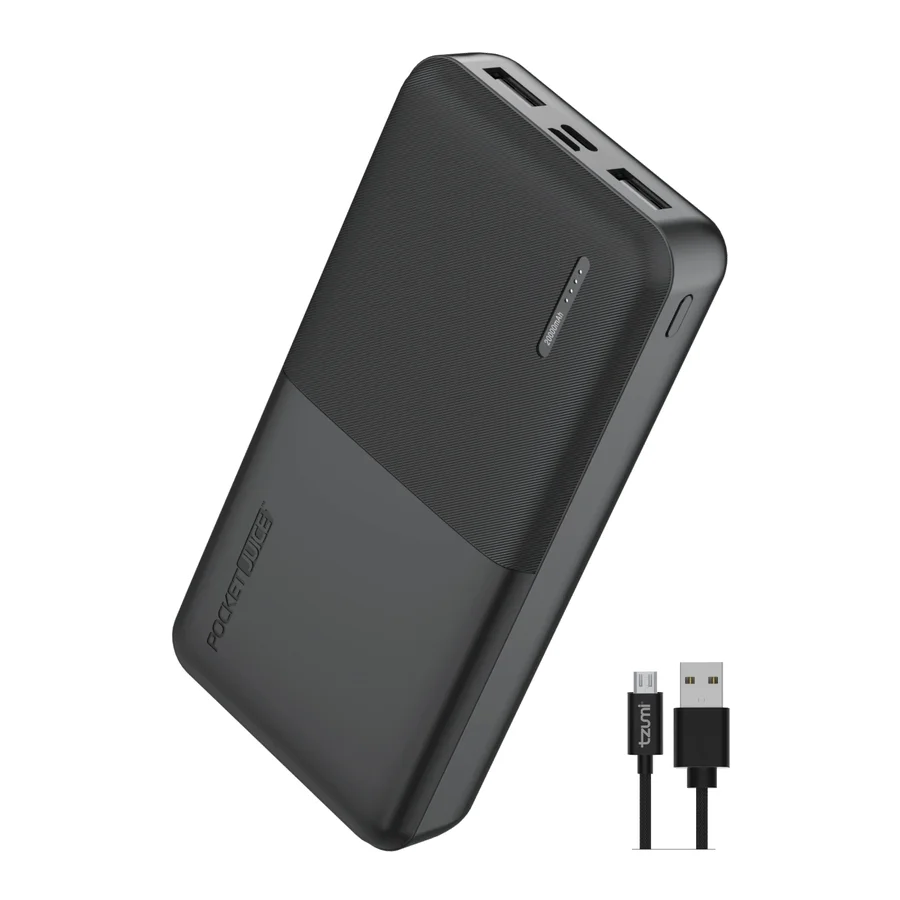
Our portable charging guide can help if battery capacity is a recurring problem. Verify the cable and charging connection before leaving home.
Use the location as a starting point
When you reach the area, pause and read the hint and recent logs. Position readings can vary, so repeatedly chasing the last few feet on a screen may be less useful than looking carefully at the surroundings.
Search only where access is permitted and where you can do so without damage. Do not climb a fence, enter restricted land or reach into a place you cannot assess safely. Leave the search if the situation feels wrong.
A missing find is a normal outcome. Set a sensible time limit and keep enough time for the return journey. The container will not be more important than the rest of the day.
Sign, replace and record
The official Geocaching 101 guide describes signing the logbook, replacing the container where it was found and recording the find in the app. Close the container carefully so the next visitor finds it in the intended condition.
Follow the listing's instructions about contents. If you are unsure whether an item is an ordinary trade item or a trackable with a travel goal, leave it until you understand the difference. Do not remove the logbook.
Keep spoilers out of public photos and log text. You can describe the outing without revealing the exact hiding place.
Make the next search a little different
After the first attempt, note what helped and what was missing. Perhaps the hint made sense only when you stopped watching the compass, or the route took longer than the straight-line distance suggested.
Choose the next cache based on that experience. Increase difficulty or distance deliberately, rather than changing both at once. If you bring children, make the walk and observation part of the activity so the outing can still work when the container is not found.
Read the complete cache listing
Start with a cache marked at an easy difficulty and terrain level, then read the description, attributes and recent logs. A cache can be close in a straight line yet difficult to reach because of water, steep ground or restricted access. Look for opening hours, seasonal closures and any notes from the owner. Geocaching HQ’s beginner guide describes the basic search process. Choose a first outing that fits your available time and mobility rather than chasing a high number of finds. Save the listing in a way you can access if mobile reception becomes poor.
Plan a safe approach
Use the map as a starting point, then follow permitted paths and read local signs. GPS accuracy changes with buildings, tree cover and weather; the last few meters often require observation rather than constant screen watching. Bring a charged device, water and suitable clothing, and tell someone your route if you are heading to an isolated area. Do not cross a road or enter private land just because a straight-line arrow points that way. A cache listing is not permission to bypass a gate or ignore a closure. If the approach looks unsafe, leave and choose another cache.
Search without damaging the place
Caches are hidden, not buried. Do not dig, pry apart fixtures, disturb plants or move heavy objects. Geocaching’s hiding guidelines forbid buried placements and damage to property. Use the hint and recent finder logs if you are stuck. Be considerate around other visitors so a container is not accidentally removed, but do not create suspicious behavior or block public access. If the listed location seems to require trespass or damage, stop searching and report the concern through the platform. A missed find is better than an unsafe or destructive one.
Sign and replace the container correctly
When you find a physical cache, open it carefully, sign the logbook as the listing requires and close it against the weather. Put the container back exactly where you found it so the next person can enjoy the same search. Geocaching HQ’s help guidance describes this sequence. If you take a trade item, leave something of equal or greater value and keep it family-friendly. Avoid food, liquids and scented items that could attract animals or damage the contents. A trackable has its own goal and logging process; do not treat it as an ordinary souvenir.
Log an honest result
After the outing, record a find online only if you met the listing’s requirements, such as signing the physical logbook. A “did not find” log is useful because it can alert the owner to a difficult or missing container. Mention maintenance issues clearly without giving away the hiding spot. Avoid spoilers in public photographs. The official etiquette guidance encourages honest logs and respectful communication. Keep personal details out of a public log if you do not want them shared. The online record is part of the game and helps future visitors judge whether a listing is current.
Know where caches may be restricted
Land managers set their own access rules. For example, the National Park Service page for Fort Pulaski states that geocaching is not allowed on park lands there. Check the specific park, preserve or property authority before searching or placing a container. A cache appearing on a map does not override a current closure or local rule. Hiding your own cache requires permission and compliance with the platform’s review guidelines. Learn by finding several well-maintained caches first, then consider whether you can maintain a safe, permitted hide over time.
Make the experience enjoyable for others
Leave the surrounding area as you found it or better, take away litter you can safely carry and give other visitors space. If a log is soaked or a container is broken, contact the owner through the platform. Do not relocate a cache to a place you think is better without the owner’s agreement; that can make the published coordinates wrong. When bringing children, explain the search boundaries and let them help with clues while an adult handles road and land-access decisions. The appeal of geocaching is a shared sequence of discoveries. Careful handling and accurate logs keep that sequence working for the next person.
This article draws on the linked primary sources and practical explanations. It does not report hands-on testing or a personalized assessment.