The Gadget Nerds / Choose between an eyepiece and an app

Telescopes. Find your sky. Choose your view.

These telescopes offer very different ways to explore the sky. One builds digital images through an app, one uses a larger reflector on an equatorial mount, and one is a compact manual refractor.

3 products comparedResearch checked November 3, 2026

Category illustration. Compare the real products below.

A note on links. Product links take you directly to Walmart. No affiliate tracking has been added to these links. Seller, price, delivery and availability can change. This guide is based on research, not hands-on testing.

01 / The shortlist

3 options. Different reasons to choose.

Start with the job you need it to do. These selections are organised by use case rather than sorted by editorial score.

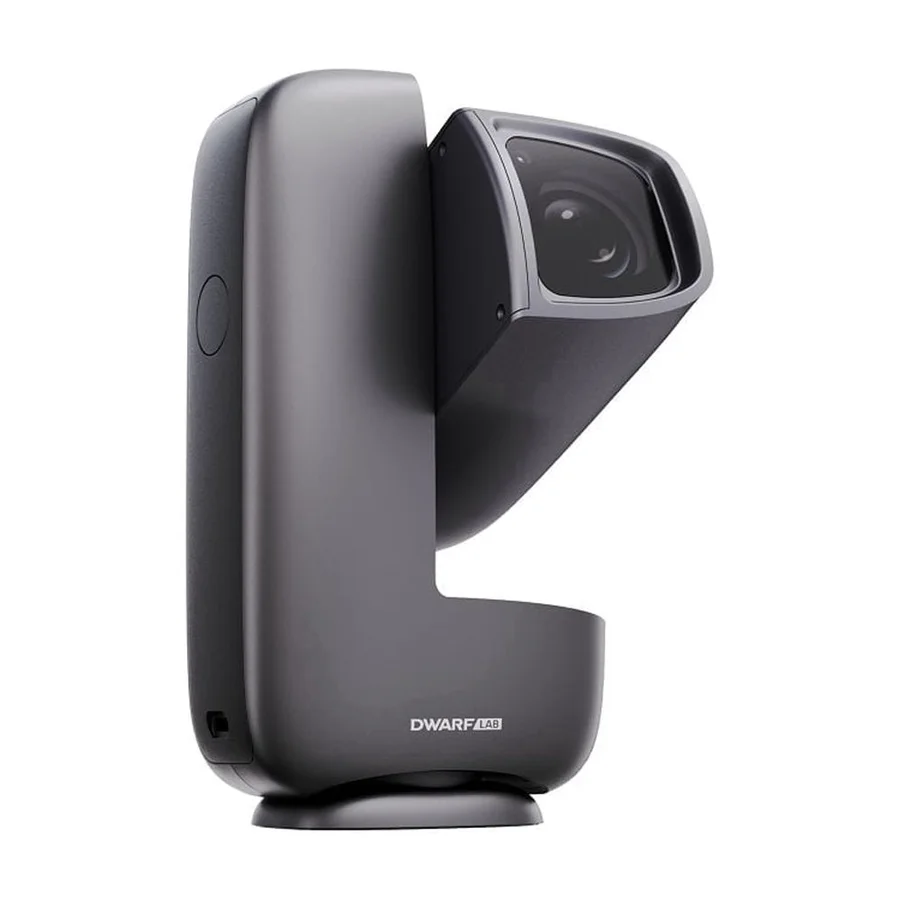
DWARF Mini suits an app-led imaging workflow. Gskyer 130EQ offers a 130mm reflector with a manual equatorial mount. Celestron Moon Mission Travel Scope 70 pairs a smaller refractor with a simpler up-down, left-right mount.

At a glance. Specifications are listing claims unless stated otherwise.
ProductEditorial scoreConsider it forKey detailsKeep in mind
DWARFLAB DWARF Mini smart telescopeRead the comparison8.8 /10Research-basedapp-controlled astronomical imaging30mm telephoto aperture from DWARFLAB
150mm telephoto focal length
App-controlled imaging

Retailer fields incorrectly mix focal length with aperture and give conflicting weights. Check the manufacturer specifications, phone compatibility and current cloud-processing terms. Built-in astronomical filters do not replace the separate solar filter and its instructions.

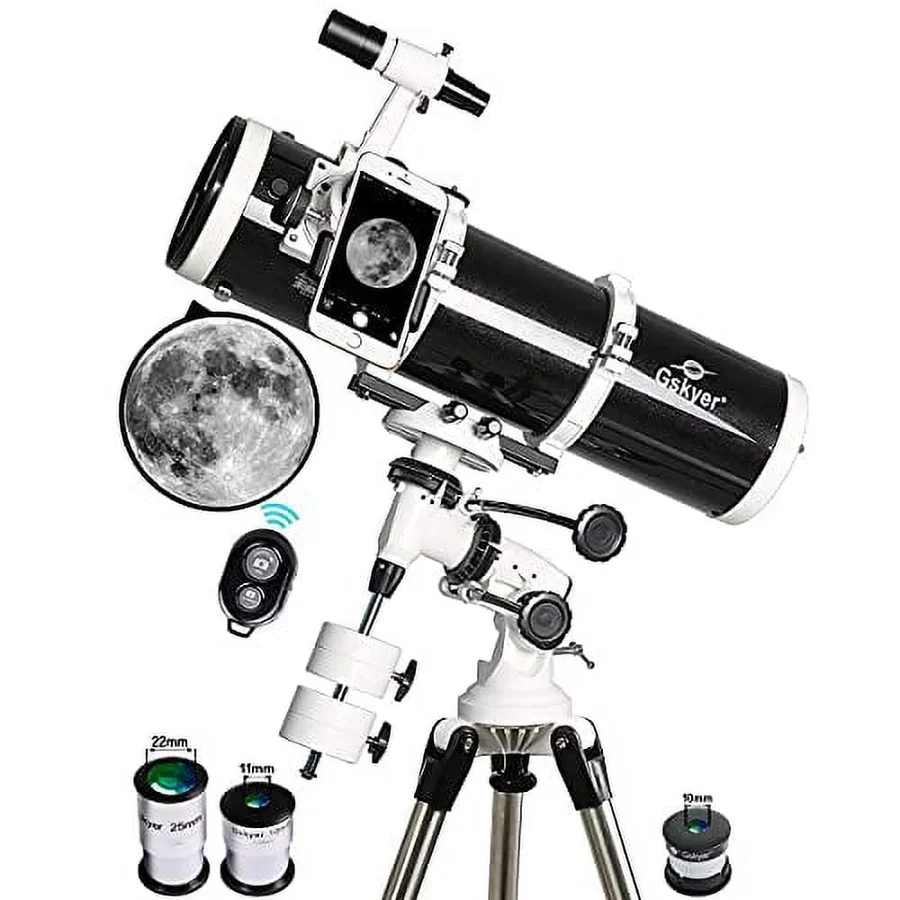
Gskyer EQ-130 reflector telescopeRead the comparison8.3 /10Research-basedlearning a manual equatorial setup130mm aperture listed
650mm focal length listed
Manual equatorial mount

The listing gives inconsistent maximum magnification and eyepiece-power figures. Do not choose it for the largest advertised number. Check collimation guidance, mount stability and the exact included eyepieces before purchase.

Celestron Moon Mission Travel Scope 70Read the comparison8.2 /10Research-baseda compact manual refractor kit70mm aperture listed
400mm focal length listed
Moon map, Moon filter and backpack

The Moon filter is not a solar filter. A lightweight travel kit still needs a stable setup, and the view depends on sky conditions and magnification. Do not expect processed promotional images to match a live eyepiece view.

DWARFLAB DWARF Mini smart telescope

EDITORIAL SCORE 8.8 /10

For app-controlled astronomical imaging

  • 30mm telephoto aperture from DWARFLAB
  • 150mm telephoto focal length
  • App-controlled imaging

Retailer fields incorrectly mix focal length with aperture and give conflicting weights. Check the manufacturer specifications, phone compatibility and current cloud-processing terms. Built-in astronomical filters do not replace the separate solar filter and its instructions.

Read the comparison

Gskyer EQ-130 reflector telescope

EDITORIAL SCORE 8.3 /10

For learning a manual equatorial setup

  • 130mm aperture listed
  • 650mm focal length listed
  • Manual equatorial mount

The listing gives inconsistent maximum magnification and eyepiece-power figures. Do not choose it for the largest advertised number. Check collimation guidance, mount stability and the exact included eyepieces before purchase.

Read the comparison

Celestron Moon Mission Travel Scope 70

EDITORIAL SCORE 8.2 /10

For a compact manual refractor kit

  • 70mm aperture listed
  • 400mm focal length listed
  • Moon map, Moon filter and backpack

The Moon filter is not a solar filter. A lightweight travel kit still needs a stable setup, and the view depends on sky conditions and magnification. Do not expect processed promotional images to match a live eyepiece view.

Read the comparison

02 / Find your pick

What matters to you?

Choose a use case to jump to the relevant comparison. This is a navigation aid, not a personalized test result.

DWARFLAB DWARF Mini compact smart telescope

DWARFLAB DWARF Mini smart telescope

A compact digital telescope operated through the DWARFLAB app.

See this comparison ↓

03 / A closer look

The details that make a difference.

DWARFLAB DWARF Mini compact smart telescope
EDITORIAL SCORE
8.8/10
Research-based assessment

A compact digital telescope operated through the DWARFLAB app. Score reflects listed strengths and trade-offs, not hands-on tests.

01 / For app-controlled astronomical imaging

DWARFLAB DWARF Mini smart telescope

A compact digital telescope operated through the DWARFLAB app.

DWARFLAB specifies a 30mm telephoto aperture and 150mm focal length. The system finds and tracks targets, then builds images for viewing on a connected device. Its workflow is closer to connected astrophotography than looking directly through a traditional eyepiece.

  • 30mm telephoto aperture from DWARFLAB
  • 150mm telephoto focal length
  • App-controlled imaging
Before you choose

Retailer fields incorrectly mix focal length with aperture and give conflicting weights. Check the manufacturer specifications, phone compatibility and current cloud-processing terms. Built-in astronomical filters do not replace the separate solar filter and its instructions.

Check price at Walmart

Opens the linked product page. Confirm the exact model and any current purchase terms.

How we reached this verdictStrengths, caveats and our editorial score calculation8.8 /10

Research-based editorial assessment

Review verdict

DWARFLAB DWARF Mini smart telescope. A compact digital telescope operated through the DWARFLAB app. DWARFLAB specifies a 30mm telephoto aperture and 150mm focal length. The system finds and tracks targets, then builds images for viewing on a connected device. Its workflow is closer to connected astrophotography than looking directly through a traditional eyepiece.

What to keep in mind
  • Retailer fields incorrectly mix focal length with aperture and give conflicting weights.
  • Check the manufacturer specifications, phone compatibility and current cloud-processing terms.
  • Built-in astronomical filters do not replace the separate solar filter and its instructions.

Where it fits best

For app-controlled astronomical imaging

DWARFLAB specifies a 30mm telephoto aperture and 150mm focal length. The system finds and tracks targets, then builds images for viewing on a connected device. Its workflow is closer to connected astrophotography than looking directly through a traditional eyepiece.

Before you buy

Retailer fields incorrectly mix focal length with aperture and give conflicting weights. Check the manufacturer specifications, phone compatibility and current cloud-processing terms. Built-in astronomical filters do not replace the separate solar filter and its instructions.

Who should buy it?

Consider this product when your priority matches for app-controlled astronomical imaging and its listed features fit your setup. Compare the other options above and check the precise model, included accessories and retailer terms before ordering.

How we calculated 8.8/10

We weighted five criteria relevant to this guide. The values are editorial judgements based on the product descriptions, documented specifications and limitations. They are not independent performance measurements, laboratory test scores or customer ratings.

Optics and viewing features9.2 × 30%
Observation-use suitability9.0 × 25%
Controls and portability8.9 × 20%
Alignment and accessory caveats8.5 × 15%
Model confidence7.5 × 10%

Weighted editorial score: 8.8 / 10Listing research checked 3 November 2026

Gskyer EQ-130 reflector telescope and supplied accessories
EDITORIAL SCORE
8.3/10
Research-based assessment

A 130mm reflector listing a 650mm focal length. Score reflects listed strengths and trade-offs, not hands-on tests.

02 / For learning a manual equatorial setup

Gskyer EQ-130 reflector telescope

A 130mm reflector listing a 650mm focal length.

The supplied set lists three eyepieces, a 3x Barlow, a finder, a tripod and a phone adapter with a Bluetooth shutter remote. The equatorial mount takes setup and practice. The phone remote triggers a compatible phone camera rather than automatically steering the telescope.

  • 130mm aperture listed
  • 650mm focal length listed
  • Manual equatorial mount
Before you choose

The listing gives inconsistent maximum magnification and eyepiece-power figures. Do not choose it for the largest advertised number. Check collimation guidance, mount stability and the exact included eyepieces before purchase.

Check price at Walmart

Opens the linked product page. Confirm the exact model and any current purchase terms.

How we reached this verdictStrengths, caveats and our editorial score calculation8.3 /10

Research-based editorial assessment

Review verdict

Gskyer EQ-130 reflector telescope. A 130mm reflector listing a 650mm focal length. The supplied set lists three eyepieces, a 3x Barlow, a finder, a tripod and a phone adapter with a Bluetooth shutter remote. The equatorial mount takes setup and practice. The phone remote triggers a compatible phone camera rather than automatically steering the telescope.

What to keep in mind
  • The listing gives inconsistent maximum magnification and eyepiece-power figures.
  • Do not choose it for the largest advertised number.
  • Check collimation guidance, mount stability and the exact included eyepieces before purchase.

Where it fits best

For learning a manual equatorial setup

The supplied set lists three eyepieces, a 3x Barlow, a finder, a tripod and a phone adapter with a Bluetooth shutter remote. The equatorial mount takes setup and practice. The phone remote triggers a compatible phone camera rather than automatically steering the telescope.

Before you buy

The listing gives inconsistent maximum magnification and eyepiece-power figures. Do not choose it for the largest advertised number. Check collimation guidance, mount stability and the exact included eyepieces before purchase.

Who should buy it?

Consider this product when your priority matches for learning a manual equatorial setup and its listed features fit your setup. Compare the other options above and check the precise model, included accessories and retailer terms before ordering.

How we calculated 8.3/10

We weighted five criteria relevant to this guide. The values are editorial judgements based on the product descriptions, documented specifications and limitations. They are not independent performance measurements, laboratory test scores or customer ratings.

Optics and viewing features8.7 × 30%
Observation-use suitability8.5 × 25%
Controls and portability8.4 × 20%
Alignment and accessory caveats8.0 × 15%
Model confidence7.0 × 10%

Weighted editorial score: 8.3 / 10Listing research checked 3 November 2026

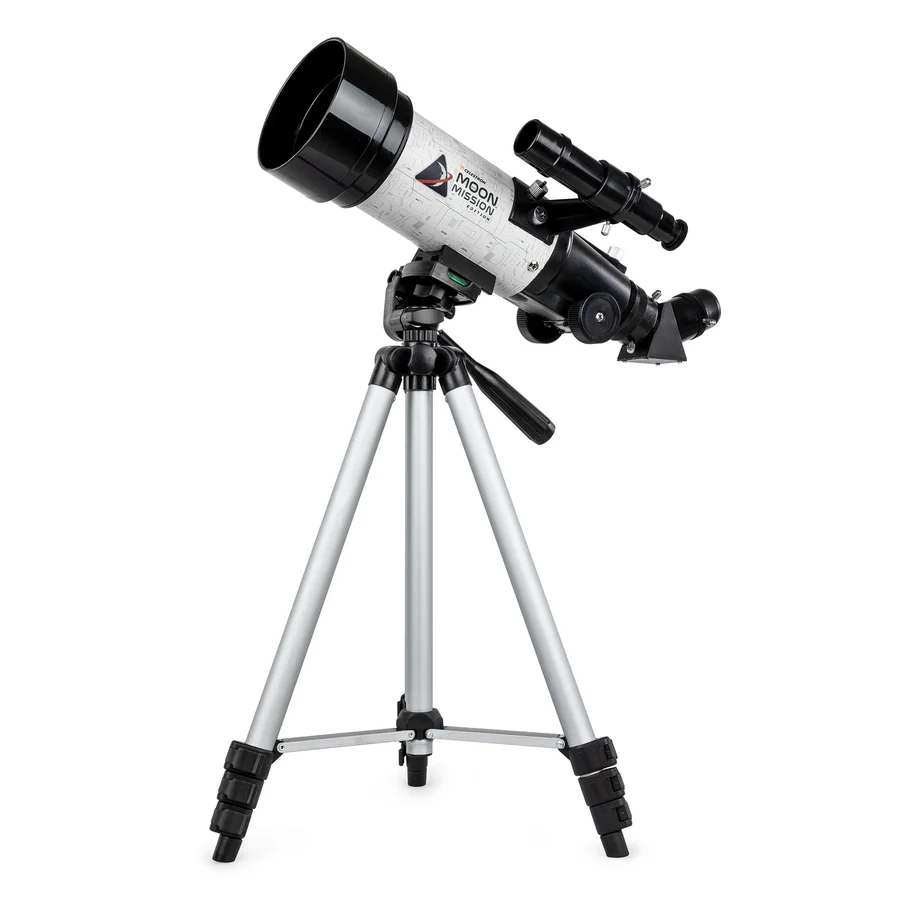
Celestron Moon Mission Travel Scope 70 on tripod
EDITORIAL SCORE
8.2/10
Research-based assessment

A 70mm refractor with a 400mm focal length and alt-azimuth mount. Score reflects listed strengths and trade-offs, not hands-on tests.

03 / For a compact manual refractor kit

Celestron Moon Mission Travel Scope 70

A 70mm refractor with a 400mm focal length and alt-azimuth mount.

The Moon Mission package lists 20mm and 10mm eyepieces, a 3x Barlow, an erect-image diagonal and a finderscope. A Moon map, Moon filter and backpack are also listed. The pan handle moves the telescope vertically and horizontally as you locate and follow a target.

  • 70mm aperture listed
  • 400mm focal length listed
  • Moon map, Moon filter and backpack
Before you choose

The Moon filter is not a solar filter. A lightweight travel kit still needs a stable setup, and the view depends on sky conditions and magnification. Do not expect processed promotional images to match a live eyepiece view.

Check price at Walmart

Opens the linked product page. Confirm the exact model and any current purchase terms.

How we reached this verdictStrengths, caveats and our editorial score calculation8.2 /10

Research-based editorial assessment

Review verdict

Celestron Moon Mission Travel Scope 70. A 70mm refractor with a 400mm focal length and alt-azimuth mount. The Moon Mission package lists 20mm and 10mm eyepieces, a 3x Barlow, an erect-image diagonal and a finderscope. A Moon map, Moon filter and backpack are also listed. The pan handle moves the telescope vertically and horizontally as you locate and follow a target.

What to keep in mind
  • The Moon filter is not a solar filter.
  • A lightweight travel kit still needs a stable setup, and the view depends on sky conditions and magnification.
  • Do not expect processed promotional images to match a live eyepiece view.

Where it fits best

For a compact manual refractor kit

The Moon Mission package lists 20mm and 10mm eyepieces, a 3x Barlow, an erect-image diagonal and a finderscope. A Moon map, Moon filter and backpack are also listed. The pan handle moves the telescope vertically and horizontally as you locate and follow a target.

Before you buy

The Moon filter is not a solar filter. A lightweight travel kit still needs a stable setup, and the view depends on sky conditions and magnification. Do not expect processed promotional images to match a live eyepiece view.

Who should buy it?

Consider this product when your priority matches for a compact manual refractor kit and its listed features fit your setup. Compare the other options above and check the precise model, included accessories and retailer terms before ordering.

How we calculated 8.2/10

We weighted five criteria relevant to this guide. The values are editorial judgements based on the product descriptions, documented specifications and limitations. They are not independent performance measurements, laboratory test scores or customer ratings.

Optics and viewing features8.6 × 30%
Observation-use suitability8.4 × 25%
Controls and portability8.3 × 20%
Alignment and accessory caveats7.9 × 15%
Model confidence6.9 × 10%

Weighted editorial score: 8.2 / 10Listing research checked 3 November 2026
04 / Buying advice

Check the details that matter.

Decide how you want to observe

An app-controlled imaging telescope and a visual eyepiece telescope are different experiences. Decide whether you want to capture and share images or learn to find targets and look through an eyepiece.

Look past maximum magnification

Aperture, optical condition, mount stability and the atmosphere all affect the view. More magnification can make a dim or shaky image harder to use. Start with the supplied low-power eyepiece where applicable.

Allow time for setup

Manual equatorial mounts require learning, while smart telescopes need compatible devices and software. Check the complete kit, support instructions and any additional tripod or power requirements.

How this comparison was put together

We reviewed the exact retailer and manufacturer pages, product identities and supplied photographs on November 3, 2026. The selections compare telescopes by use case and practical tradeoffs. Specifications are attributed listing information unless a manufacturer source is identified. We have not conducted hands-on testing. The editorial scores above are subjective, research-based assessments of listed features, suitability and limitations. unconfirmed performance, certification and medical claims are not treated as established results.

06 / FAQs

A few things worth knowing.

Do I look through an eyepiece on the DWARF Mini?

Its normal workflow is digital imaging through the connected app. Choose it for that experience rather than expecting the conventional eyepiece view offered by the Gskyer and Celestron kits.

Is the DWARF Mini aperture 150mm?

No. DWARFLAB lists a 30mm telephoto aperture and a 150mm focal length. The retailer mixes those fields. Check the manufacturer's DWARF Mini specifications for the distinction.

What magnification do the Celestron eyepieces provide?

With the listed 400mm focal length, the 20mm eyepiece gives 20x and the 10mm gives 40x before a Barlow is added. Whether a higher power is useful still depends on the target and observing conditions.

Does the Gskyer Bluetooth remote track stars?

No. The listing describes it as a phone-camera shutter remote. The telescope has a manual equatorial mount, so do not interpret Bluetooth as automatic target finding or motorized tracking.

Can a Moon filter or eclipse glasses make a telescope safe for the Sun?

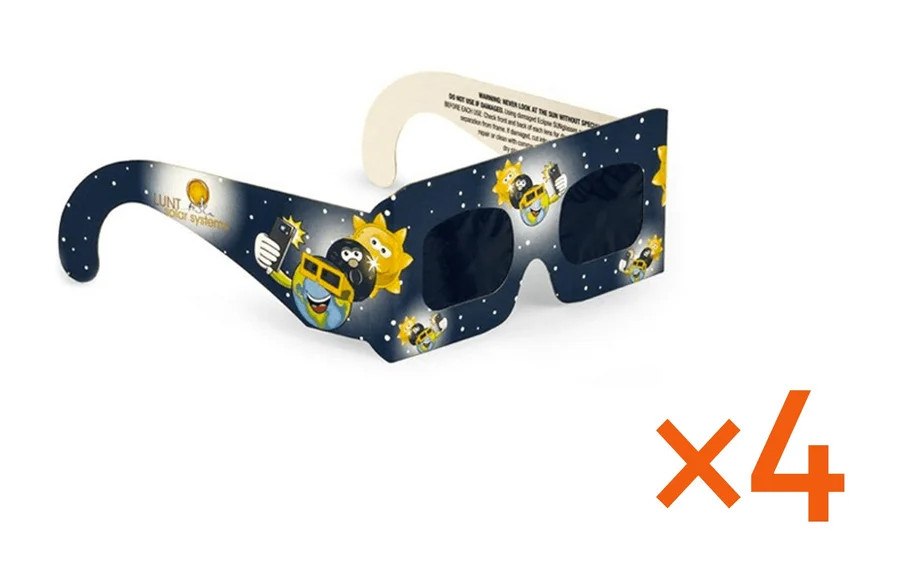
No. Neither is a substitute for the correct solar filter fitted to the front of an optical instrument. NASA explains the specific filtering required for solar observation. Never point an unfiltered telescope at the Sun.

Does the DWARF Mini need its separate filter for solar imaging?

Yes. Follow the DWARF Mini manual's solar-filter instructions. Its ordinary internal imaging filters are not interchangeable with the purpose-built external solar filter. Confirm the correct accessory and secure fitting before any solar use.

Make the choice fit your day.

Choose the observing experience first. A manageable setup and realistic expectations will matter more than a headline magnification figure.

Back to the shortlist ↑